The Great Wildebeest Migration Guide: Best Time, Locations & Safari Seasons in Kenya and Tanzania
Author
Paul Jones WegoyeDate Published
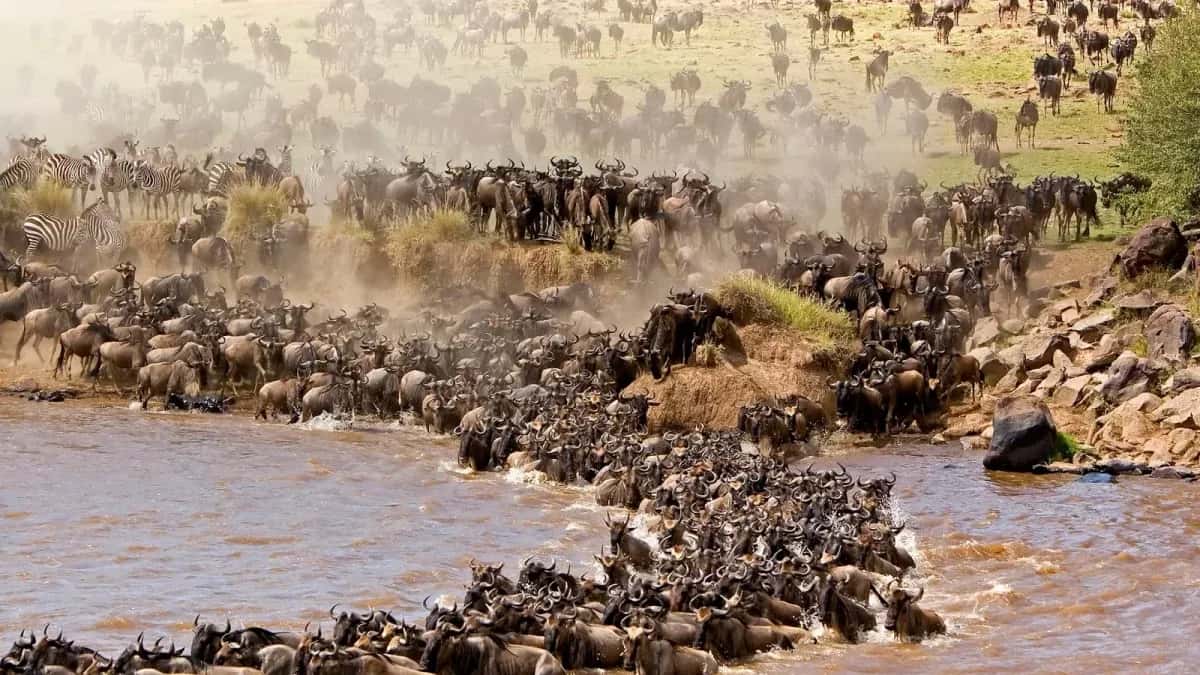
The Great Wildebeest Migration: Africa's Greatest Wildlife Spectacle
Every year, more than two million wildebeest, zebras, and gazelles embark on one of the most extraordinary wildlife journeys on Earth. Known as the Great Wildebeest Migration, this remarkable movement across the plains of East Africa is often called the "Greatest Show on Earth" and remains one of the most sought-after safari experiences for travelers worldwide.
For first-time visitors to Africa, understanding when and where to witness the migration can make all the difference in planning an unforgettable safari.
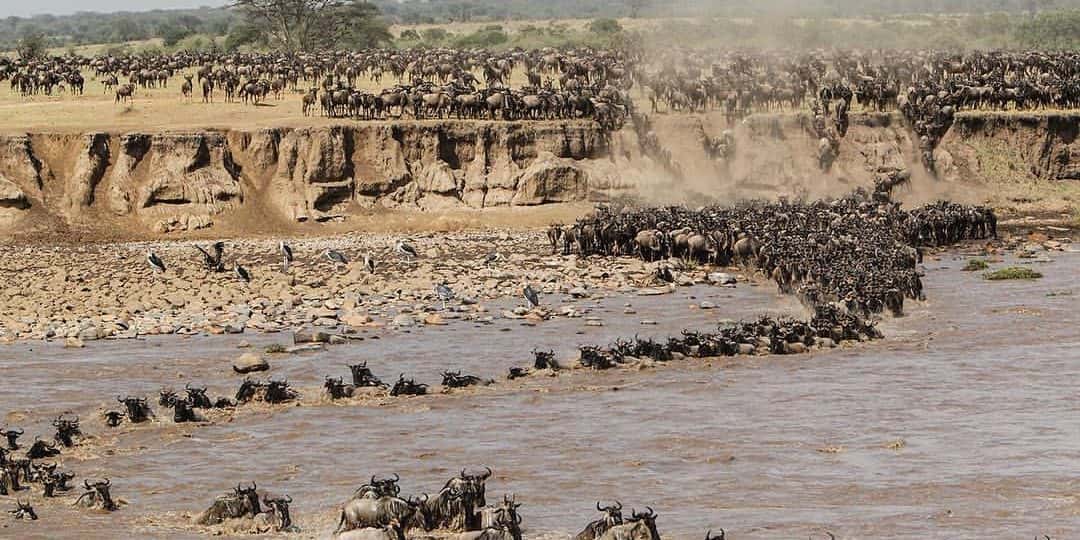
What Is the Great Wildebeest Migration?
The Great Wildebeest Migration is a year-round circular movement of approximately 1.5 million wildebeest, accompanied by hundreds of thousands of zebras and antelopes. The animals travel between the vast plains of northern Tanzania and southern Kenya in search of fresh grazing and water, following seasonal rainfall patterns.
Unlike a single event, the migration is a continuous cycle that unfolds throughout the year, offering different experiences depending on the season.
Which Countries Host the Migration?
The migration takes place across two East African countries:
Tanzania
Kenya
The main ecosystems involved are:
Serengeti National Park
Ngorongoro Conservation Area
Masai Mara National Reserve
Together, these protected areas form one of the world's most important wildlife corridors.
The Migration Calendar: Month by Month
January – March: Calving Season
The migration begins the year in the southern Serengeti and Ndutu region of northern Tanzania.
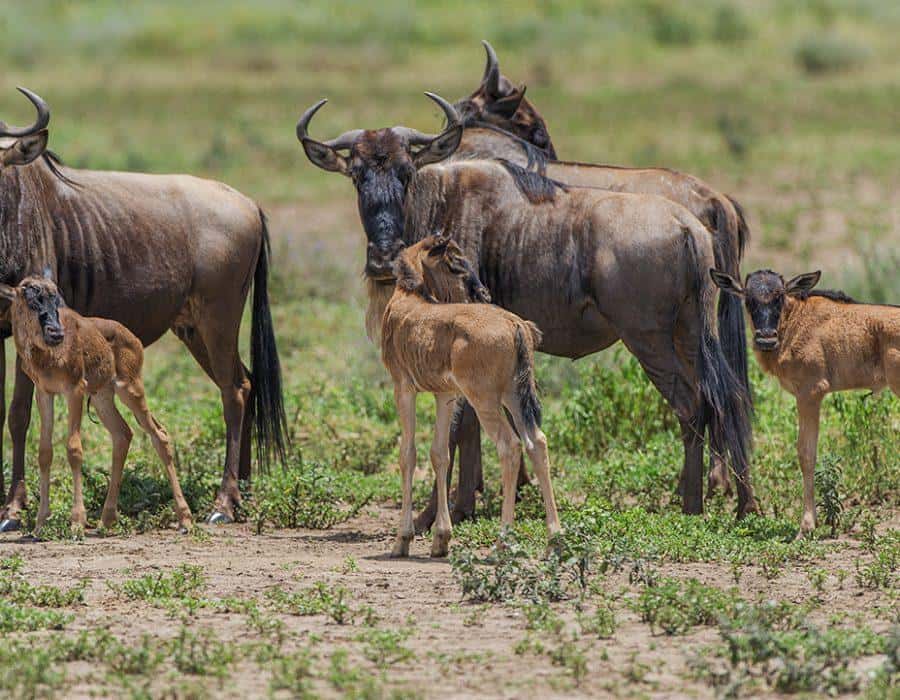
During this period, approximately 500,000 wildebeest calves are born within a few weeks. The abundance of newborns attracts predators such as lions, cheetahs, hyenas, and leopards, creating exceptional wildlife viewing opportunities.
Best For: Baby animals, Predator action, Photography, First-time safari visitors
April – May: The Long Rains
As seasonal rains arrive, the herds begin moving northwest through the central Serengeti.
The landscape becomes lush and green, while visitor numbers are lower than during peak migration months. Travelers seeking exclusivity often find this period particularly appealing.
Best For: Green season photography, Fewer crowds, Luxury safari experiences
June: The Western Corridor
The herds continue their journey toward the western Serengeti.
This period marks the beginning of dramatic river crossings as animals navigate the Grumeti River, where large Nile crocodiles await.
Best For: Early migration action, River crossings, Predator encounters
July – October: The Mara River Crossings
This is the migration's most famous phase.
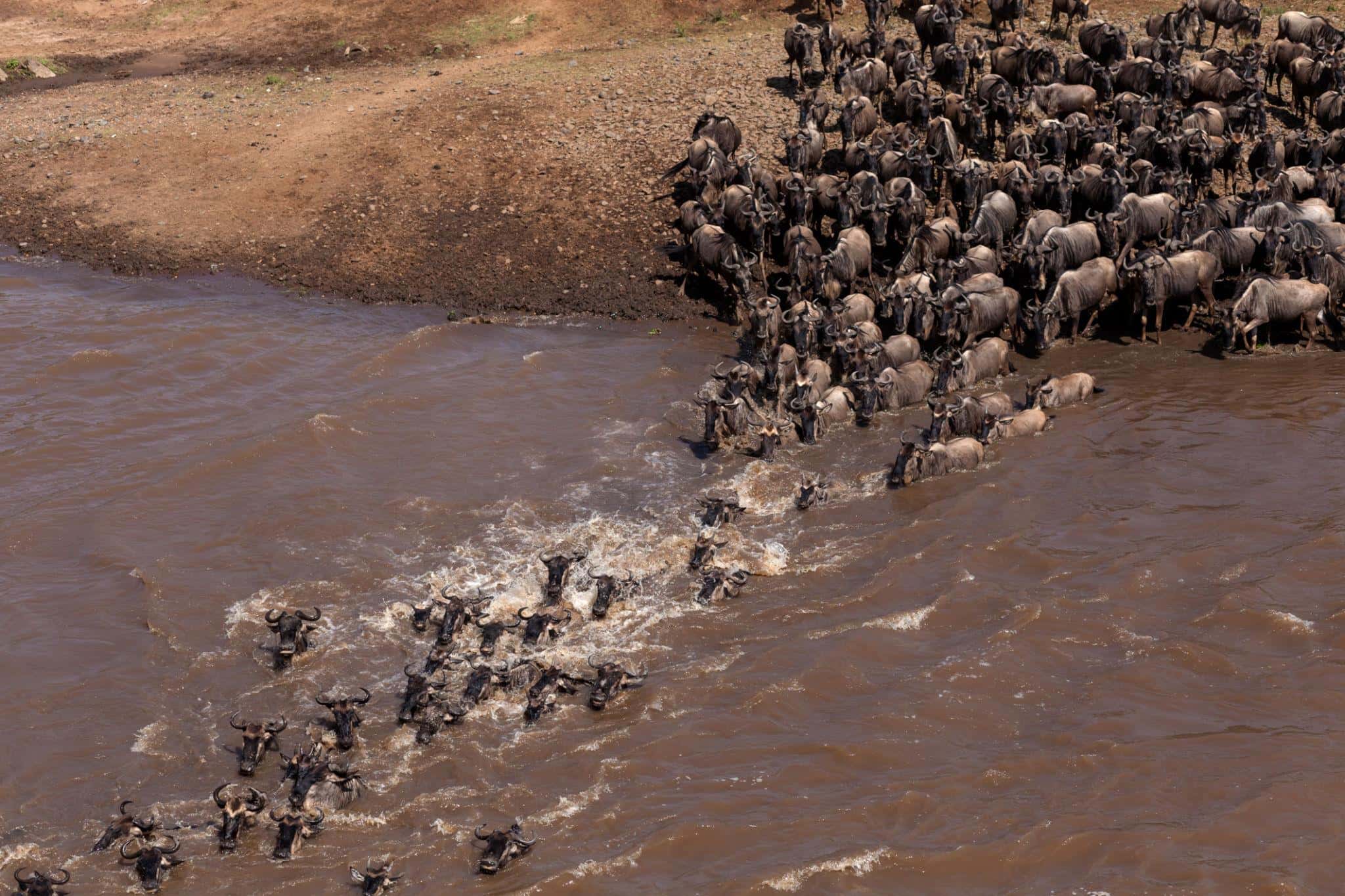
Hundreds of thousands of wildebeest move into Kenya's Masai Mara, crossing the crocodile-filled Mara River. These crossings are unpredictable and often involve dramatic scenes as animals leap into the water while predators wait nearby.
This period is widely regarded as the best time to witness the migration.
Best For: Iconic river crossings, Classic safari experiences, Luxury migration camps, Wildlife photography
November: The Return Journey
As short rains begin in Tanzania, the herds leave the Masai Mara and start their journey south.
Animals spread across the eastern Serengeti, following fresh grasslands created by the rainfall.
Best For: Fewer tourists, Scenic landscapes, Authentic safari experiences
December: Back to Southern Serengeti
The migration returns to the southern Serengeti, completing the annual cycle.
The herds prepare for another calving season, while predators remain close behind.
Best For: Beautiful landscapes, Wildlife concentration, Festive season safaris
Why Is the Migration So Special?
The Great Wildebeest Migration is far more than a wildlife event. It is a survival story shaped by rainfall, instinct, predators, and the changing seasons.
Visitors may witness:
Massive herds stretching to the horizon, Lions stalking prey, Cheetahs sprinting across open plains, Crocodile-filled river crossings, Thousands of newborn calves taking their first steps, Spectacular African sunsets over endless savannahs, No two migration safaris are ever the same, making each journey unique.
Planning Your First Migration Safari
For first-time travelers, a stay of at least 5 to 8 nights is recommended. Combining multiple regions of the Serengeti or pairing the Serengeti with the Masai Mara can significantly increase your chances of witnessing key migration moments.
Luxury tented camps, fly-in safaris, and private guided experiences offer the most seamless way to follow the movement of the herds while enjoying world-class hospitality.
With Aerocruise, every migration journey is carefully curated to match the rhythm of the herds. Through a combination of luxury tented camps, fly-in safaris, private transfers, and expert-guided experiences, travelers can follow the migration in comfort while enjoying some of East Africa's finest hospitality. From selecting the ideal season and location to arranging seamless logistics, we ensures every detail is thoughtfully managed.